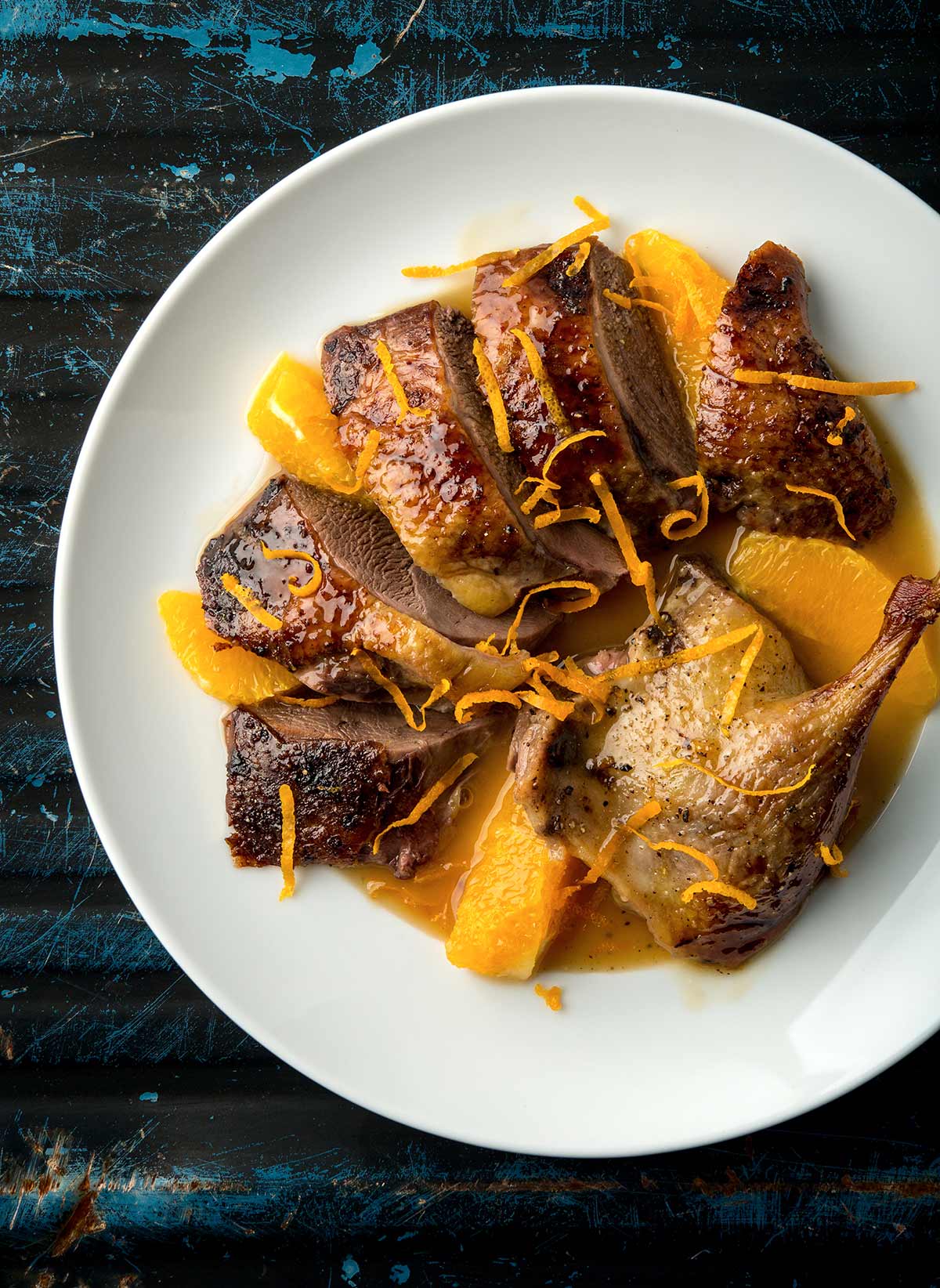
The Timeless Allure of Canard à l’Orange
Few dishes in the classical French culinary canon carry the prestige, history, and pure sensory indulgence of Duck à l’Orange (or canard à l’orange). With its perfectly rendered, crispy skin, rich and tender meat, and a glossy, bittersweet orange glaze that cuts through the decadence of the poultry, it represents the absolute pinnacle of traditional French bistro dining.
Whether you are planning an intimate date night, celebrating a special occasion, or simply satisfying a deep culinary craving, finding the best duck à l’orange near me requires a bit of insider knowledge. It is a dish that demands meticulous technique; a single misstep can result in flabby skin or a cloyingly sweet sauce. In this comprehensive guide, we will explore what makes this dish so legendary, how to spot an authentic preparation, and the absolute best restaurants across the United States currently serving this masterpiece.
—
The Anatomy of a Perfect Duck à l’Orange
To truly appreciate this dish when it arrives at your table, it helps to understand the complexity behind its creation. A truly exceptional duck à l’orange relies on two major components: the preparation of the bird and the execution of the iconic sauce bigarade.
1. The Duck Preparation
Duck is a naturally fatty bird, and the chef’s primary challenge is rendering that fat so the skin becomes incredibly thin, crisp, and golden, while keeping the meat underneath juicy and tender. Traditional preparations may feature a roasted half-duck, while modern bistros often serve a pan-seared duck breast (magret) cooked to a perfect medium-rare, sometimes paired with a slow-cooked, fall-off-the-bone confit duck leg.
2. The Sauce Bigarade (The Magic Sauce)
The soul of the dish lies in its sauce. An authentic French preparation does not use simple orange juice or marmalade, which would make the dish sugary and one-dimensional. Instead, it begins with a gastrique—a caramelized mixture of sugar and white vinegar. This sweet-and-sour base is then deglazed with bitter orange juice (traditionally Seville oranges or bigarades), fortified with rich veal or duck brown stock, and finished with a splash of orange liqueur such as Grand Marnier or Cointreau. The result is a complex, deep, and glossy sauce that perfectly balances sweetness with a sharp, refreshing acidity.
—
Where to Find the Best Duck à l’Orange in the US
From the bustling brasseries of Manhattan to the romantic hideaways of Los Angeles, top chefs are keeping this classic alive. Here are the premier destinations to experience authentic duck à l’orange across the country.
New York City: The Capital of Classic French Dining
If you are searching for this dish in New York, you are spoiled for choice. The city’s rich history of French gastronomy means several landmark institutions and trendy bistros feature it prominently on their menus.
- La Grande Boucherie & Boucherie West Village: Stepping into any Boucherie location feels like being transported to Belle Époque Paris. Their roasted duck à l’orange is celebrated for its incredibly crispy skin and a beautifully balanced, aromatic citrus glaze that isn’t overly sweet. It’s a theatrical, luxurious dining experience from start to finish.
- Dirty French (Lower East Side): For those who love a modern, high-energy twist on tradition, Dirty French offers a bold, spiced interpretation of the classic dish. It retains all the rich, savory elements of the original while infusing global spices that elevate the flavor profile.
- L’Express (Gramercy): If you are looking for a cozy, neighborhood bistro vibe, L’Express in Gramercy serves up an incredibly comforting, classic version of the dish. It is deeply authentic, unpretentious, and consistently excellent.
- Balthazar (SoHo): No conversation about NYC French dining is complete without Keith McNally’s legendary Balthazar. Their duck dishes are legendary, prepared with masterful French technique and served in one of the most vibrant dining rooms in the city.
Los Angeles: West Coast French Elegance
Southern California’s culinary scene offers a lighter, fresh-ingredient-forward take on French dining, but without sacrificing the rich flavors of classic technique.
- Petit Trois (Hollywood & Sherman Oaks): Helmed by legendary Chef Ludo Lefebvre, Petit Trois is a masterclass in classic French comfort food. Their duck dishes showcase immaculate French training, featuring flawlessly rendered fat and a deeply concentrated, velvety orange glaze.
- The Little Door (West Hollywood): Known as one of the most romantic spots in LA, this Mediterranean-influenced French restaurant offers an incredibly atmospheric setting to enjoy a slow, luxurious dinner featuring beautifully prepared duck.
Denver & Federal Heights: Rocky Mountain French Bistro Culture
Colorado’s dining scene has exploded in recent years, with several outstanding French bistros offering hearty, mountain-ready interpretations of classical dishes.
- Chez Maggy (Denver): Another phenomenal concept by Chef Ludo Lefebvre, located in the Thompson Denver hotel. Chez Maggy pays homage to classic French roots, making it an absolute must-visit for anyone craving expertly executed traditional French sauces.
- Bistro Vendôme (Denver): Located in a charming courtyard setting, this local favorite serves up traditional bistro fare, including wonderfully tender duck preparations that pair beautifully with their extensive French wine list.
Washington, D.C.: Sophisticated Mid-Atlantic Plates
For those in the nation’s capital, the desire for refined European dining is easily met in the heart of the city.
- Opaline Bar & Brasserie: Located just steps from Lafayette Square, Opaline boasts a chic, French Riviera-inspired atmosphere. Their dinner menu features a highly acclaimed Duck à l’Orange that perfectly captures the sophisticated, sunny flavors of southern France while honoring Parisian culinary traditions.
—
How to Order and Pair Duck à l’Orange Like a Pro
To truly elevate your dining experience, it helps to know how to pair this complex dish with the right sides and wines.
The Perfect Wine Pairings
Because duck is a rich, fatty meat and the sauce contains both sweet and highly acidic elements, pairing wine can be a fun challenge. You want a wine that can cut through the fat without clashing with the citrus notes.
- Pinot Noir (Burgundy): The classic choice. A red Burgundy offers bright acidity, medium tannins, and earthy, red-berry notes that complement the duck beautifully.
- Gewürztraminer: For white wine lovers, a dry or off-dry Gewürztraminer from Alsace is a spectacular match. Its natural spicy, lychee, and citrus aromas echo the orange glaze perfectly.
- Cru Beaujolais: A Gamay-based wine from regions like Morgon or Moulin-à-Vent offers juicy fruitiness and lively acidity that keeps your palate clean between rich bites.
Traditional Side Dishes
While the duck is undoubtedly the star of the show, the accompanying sides should absorb the glorious sauce bigarade. Look for restaurants that serve it alongside:
- Pommes Purée: Ultra-buttery, velvety mashed potatoes.
- Wild Rice or Wild Mushrooms: Earthy sides that ground the sweetness of the orange.
- Braised Red Cabbage or Haricots Verts: Vegetables that offer a bit of texture and a clean, bright contrast.
—
From Dinner Elegance to Morning Comforts
Indulging in a luxurious French dinner is one of life’s greatest pleasures, but a true foodie’s journey never stops. After a night of rich duck confit, fine French wine, and decadent desserts, you will undoubtedly wake up the next morning looking for something equally satisfying, yet altogether different. To transition seamlessly from evening luxury to morning comfort, explore our guide to finding the best breakfast near me to start your day right, ensuring your culinary adventures continue around the clock.
—
Frequently Asked Questions About Duck à l’Orange
Is Duck à l’Orange sweet?
An authentic duck à l’orange should not taste like dessert. While it has sweet elements from the orange juice and caramelized sugar, it is strictly a savory dish. The sweetness is balanced out by white wine vinegar, bitter orange zest, and rich, savory duck stock, creating a complex “agrodolce” (sour-sweet) flavor profile.
Can I make Duck à l’Orange at home?
Yes, though it requires patience and precision. The key is to score the duck breast skin in a crosshatch pattern to allow the fat to render out during cooking, and to take your time building the gastrique base for the sauce. However, because of the labor-intensive nature of the sauce bigarade, many food lovers prefer to leave this classic to the professional chefs at local bistros.
Is duck healthy?
Duck is an excellent source of high-quality protein, iron, and essential B vitamins. While it is higher in fat than chicken or turkey, most of that fat is monounsaturated (similar to olive oil) and is easily rendered out during the cooking process when prepared correctly.
—
Treat Yourself to a Culinary Icon
In a world of rapidly changing food trends, there is a reason that classic French dishes like duck à l’orange remain beloved decade after decade. It is a dish that celebrates contrast: crispy and tender, sweet and sour, rich and bright. By choosing an authentic bistro that respects classical French culinary techniques, you are guaranteed an unforgettable dining experience. Use this guide to reserve your table tonight, and treat yourself to one of the most legendary dishes in culinary history.